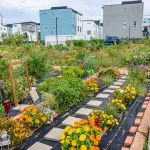
Walking through a stunning Garden, you might wonder how the designer achieved such perfect balance and flow. The secret isn’t expensive plants or fancy hardscaping—it’s avoiding the fundamental layout mistakes that doom most garden designs before the first shovel hits the soil. The harsh reality is that most gardening failures stem from poor planning rather than poor plant care, and these mistakes cost both time and money while delivering years of frustration.
Ignoring Sun Patterns and Microclimates
The biggest mistake new gardeners make is designing their layout based on how the space looks at one time of day, usually during a weekend morning when they’re feeling inspired. Your garden exists in all seasons, through the full arc of the sun’s daily journey, and these patterns change dramatically throughout the year.
Start by spending an entire day observing your space. Note which areas receive morning sun (generally gentler), afternoon sun (often intense and challenging), and dappled shade throughout the day. The corner that gets perfect morning light in May might be completely shaded by your neighbor’s maple tree come July. That south-facing slope that seems ideal in winter could become a scorching heat trap by midsummer.
Map your microclimates with precision. The area next to your house’s south-facing wall creates a heat island that can push your effective hardiness zone up by one full level. Conversely, low-lying spots where cold air settles might experience frost two weeks earlier than areas just 10 feet (3 meters) higher in elevation. Wind patterns matter too—a gap between buildings can create a wind tunnel that desiccates plants even with adequate water.
Document these observations over several months before finalizing plant placement. Take photos from the same vantage point at different times of day and season. The afternoon sun streaming across your patio in March becomes a blazing furnace in August, potentially killing shade-loving hostas you optimistically planted in spring.
Understanding seasonal sun angles prevents costly replanting disasters. Deciduous trees that provide welcome summer shade also block crucial winter light for early vegetables and spring bulbs. Plan for these changes by positioning heat-loving plants like tomatoes and peppers where they’ll get maximum summer sun, while placing cool-season crops like lettuce and spinach where they’ll receive protection from intense afternoon heat.
Poor Scale and Proportion Planning

Garden centers display plants at their current size, not their mature dimensions, leading to one of the most expensive layout mistakes. That adorable 6-inch (15 cm) blue spruce will eventually reach 60 feet (18 meters) tall and 20 feet (6 meters) wide. The compact hosta that fits perfectly in your cart will spread to 4 feet (1.2 meters) across within three years.
Research mature sizes religiously and plan accordingly. A common mistake is using plant tags that list size ranges without specifying timeframes. “Grows 3-6 feet” doesn’t tell you whether that’s the first year height or the ten-year maximum. Seek specific information: “reaches 3 feet in first year, 6 feet at maturity in 3-4 years.”
Scale your design to the actual space you’re working with. A 50-foot (15-meter) perennial border needs different proportional relationships than a 10-foot (3-meter) foundation planting. Large spaces can handle bold groupings of substantial plants, while small gardens need careful editing and vertical interest to avoid overcrowding.
Plan pathway widths proportionally. A 2-foot (60 cm) wide path might seem adequate when plants are young, but becomes impassable once perennials reach full size and spill over edges. Design main pathways at least 4 feet (1.2 meters) wide and secondary paths at minimum 3 feet (90 cm) to accommodate mature plant spread plus comfortable walking space.
Consider the human scale of your design elements. Raised beds taller than 30 inches (75 cm) become difficult to reach across for most people. Garden structures like trellises and arbors should relate proportionally to surrounding plants and available space—a massive pergola overwhelms a small backyard, while tiny structures disappear in expansive landscapes.
Creating Visual Balance
Balance doesn’t mean symmetry. Successful gardens create equilibrium through careful distribution of visual weight. Large, bold plants need counterbalancing elements—either other substantial plants or grouped smaller plants that collectively carry similar visual impact. A single specimen tree balanced by a mass planting of ornamental grasses on the opposite side creates more interesting tension than identical plantings on both sides.
Height relationships matter as much as horizontal spread. Layer plantings with clear distinctions between foreground, middle ground, and background elements. Avoid the “birthday cake” effect where all plants are the same height, creating a flat, uninteresting profile when viewed from the side.
Neglecting Access and Maintenance Pathways

The most gorgeous garden design becomes a maintenance nightmare without proper access planning. You’ll need to reach every plant for watering, pruning, harvesting, and problem-solving throughout the growing season. Many gardeners create beautiful layouts they literally cannot maintain without trampling other plants or performing circus-worthy contortions.
Plan for equipment access beyond just foot traffic. Wheelbarrows, hoses, and lawn mowers need clear pathways. That charming curved border that flows beautifully around your lawn becomes problematic when you realize the mower can’t navigate the tight curves without damaging plants or leaving uncut grass strips.
Design maintenance access into every planted area. No spot should be more than 3 feet (90 cm) from an accessible edge or pathway. This might seem limiting, but creative pathway design can become an attractive garden feature rather than a necessary evil. Stepping stones through planted areas, hidden maintenance paths behind larger shrubs, and elevated boardwalks through sensitive areas all provide necessary access while enhancing the design.
Consider seasonal access needs. Pathways that work fine in summer might become muddy quagmires during spring thaw or fall rains. Plan for weather-appropriate surfacing materials—gravel, bark mulch, or permeable pavers that handle moisture while providing stable footing year-round.
Hidden Infrastructure Planning
Plan for invisible but essential systems during the layout phase. Irrigation lines, electrical conduits for lighting, and drainage systems are much easier and less expensive to install before planting. Mark locations for hose bibs, electrical outlets, and drainage solutions on your layout plan before breaking ground.
Consider storage and staging areas for garden maintenance. Beautiful gardens require tools, potting soil, mulch, and seasonal plants. Designate screened utility areas that provide convenient access without cluttering the aesthetic spaces.
Forgetting Seasonal Interest and Succession
Many gardeners design for peak summer beauty, creating stunning July displays that look barren and depressing for the other ten months of the year. Successful garden layouts provide interest across all seasons through strategic plant selection, structural elements, and succession planning.

Plan the year-round backbone first. Evergreen shrubs, ornamental grasses that hold their form through winter, and trees with interesting bark or branching patterns provide structure when herbaceous plants die back. This framework prevents the garden from disappearing entirely during dormant seasons.
Layer seasonal interest throughout the space rather than segregating it. Instead of a spring bulb area that goes dormant, an early summer perennial section, and a fall foliage corner, weave seasonal elements throughout the design. Plant spring bulbs beneath deciduous shrubs that will provide summer interest, then add fall-blooming perennials nearby for extended color.
Design for succession planting in productive areas. Vegetable gardens need continuous harvests rather than overwhelming gluts followed by empty spaces. Plan staggered plantings of fast-growing crops like lettuce and radishes every two weeks. Designate areas for cool-season and warm-season vegetables that can be rotated as temperatures change.
Regional Seasonal Considerations
Adapt seasonal planning to your specific climate zone. USDA zones 3-5 need different winter interest strategies than zones 8-10, where many plants remain evergreen. Northern gardens might rely heavily on conifer structure and ornamental bark, while southern gardens can maintain green foliage and even some flowers through mild winters.
Time seasonal transitions carefully in your design. Know your average first and last frost dates, but also understand that microclimates within your property might vary by 2-3 weeks. Position tender plants in protected areas that extend the growing season, while placing hardy plants in exposed areas that can handle temperature extremes.
Mixing Incompatible Growing Requirements
Grouping plants with similar needs seems obvious, but many gardeners underestimate how dramatically different plants’ requirements can be. Placing water-loving astilbe next to drought-tolerant lavender creates an impossible maintenance situation where one plant will always be stressed regardless of your care routine.
Organize your layout by water requirements first. Create hydrozones that group plants with similar irrigation needs. High-water plants belong near natural moisture sources or irrigation systems, while drought-tolerant plants should occupy well-drained areas where they won’t suffer from excess moisture during rainy periods.
Soil requirements vary dramatically between plant types. Acid-loving blueberries (pH 4.5-5.5) cannot coexist with alkaline-soil vegetables like asparagus (pH 6.5-7.5) without extensive soil modification. Plan separate areas for plants with dramatically different pH requirements rather than trying to create compromise conditions that satisfy neither group fully.
Drainage needs often conflict within the same garden space. Moisture-loving plants like cardinal flower and swamp milkweed thrive in low-lying areas with slow drainage, while Mediterranean herbs like rosemary and thyme require sharp drainage and die in soggy conditions. Design your layout to take advantage of natural drainage patterns rather than fighting them.

Microclimate Management
Use incompatible requirements to your advantage by creating distinct microclimate zones. A south-facing slope with amended, well-draining soil becomes your Mediterranean herb garden. A north-facing depression with rich, moisture-retentive soil houses your shade perennials and woodland plants.
Plan transition zones between dramatically different plant communities. These edge areas can house plants with intermediate requirements and prevent stark contrasts that look unnatural. A gradual transition from full-sun prairie plants to shade woodland plants through partial-shade edge species creates more natural-looking plant communities.
Frequently Asked Questions
How long should I observe my site before creating a garden layout?
Observe for at least one full growing season, ideally 12-18 months. Document sun patterns, drainage, microclimates, and seasonal changes through photos and notes. This prevents costly mistakes from assumptions about site conditions.
What’s the minimum pathway width for garden maintenance access?
Main pathways need 4 feet (1.2 meters) width minimum, secondary paths 3 feet (90 cm). Consider mature plant spread—paths seem wider when plants are young but narrow significantly as perennials reach full size and spill over edges.
How do I group plants with different water requirements in the same garden?
Create distinct hydrozones grouping plants by water needs. Use natural or created elevation changes, with water-loving plants in lower areas and drought-tolerant plants on slopes or raised areas. Install separate irrigation zones for different water requirements.
Should I design my garden layout for current plant sizes or mature sizes?
Always design for mature plant sizes to prevent overcrowding and costly replanting. Research specific mature dimensions and growth rates for your climate zone. Use temporary fillers like annuals while waiting for permanent plants to reach full size.
What’s the biggest layout mistake that’s hardest to fix later?
Poor infrastructure planning—especially drainage, irrigation, and electrical systems. These are exponentially more expensive and disruptive to install after planting. Plan and install all underground systems during the initial layout phase before any permanent planting begins.
Explore more
How to Tell When Sweet Corn is Ready to Harvest: A Beginner’s Guide to Perfect Timing
Why Your Basil Keeps Dying Next to Tomatoes: Solving the Most Common Companion Planting Failures
The Ultimate Companion Planting Cheat Sheet: 25 Proven Plant Pairings for Your Vegetable Garden
📷 Featured image by Cosmic Timetraveler on Unsplash