On this page
May arrives with the promise of flourishing garden beds, but it also brings one of gardening’s most persistent challenges: an explosion of weeds competing with your carefully planted vegetables and flowers. The combination of warming soil temperatures and spring moisture creates perfect conditions for weed seeds that have been lying dormant all winter to suddenly burst into action, often outpacing your desired plants in their race toward the sun.
Why May Is Prime Weeding Season
May represents the sweet spot when soil temperatures consistently reach 60-70°F (15-21°C), triggering massive weed germination across most USDA zones 5-9. Annual weeds like crabgrass, chickweed, and purslane begin their aggressive growth cycles, while perennial troublemakers such as dandelions and plantain spread their established root systems.
The lengthening daylight hours, combined with frequent spring rains, create an ideal environment where weeds can establish themselves before your garden plants have fully developed their root systems. This timing disadvantage means that without immediate action, weeds will claim prime real estate in your beds and steal essential nutrients, water, and sunlight from your intended crops.
Cool-season weeds that started growing in early spring now reach peak growth, while warm-season varieties begin their emergence. This overlap creates the heaviest weed pressure many gardeners face all year, making May the critical month for establishing control that will impact your entire growing season.
Identifying Common May Garden Weeds
Accurate identification drives effective control strategies. The most aggressive May weeds fall into distinct categories based on their growth patterns and life cycles.
Broadleaf annuals dominate many spring gardens. Chickweed forms dense, sprawling mats with tiny white flowers and smooth, oval leaves. Purslane develops thick, succulent stems and paddle-shaped leaves, thriving in hot, dry conditions. Lamb’s quarters produces diamond-shaped leaves with a distinctive white, powdery coating on their undersides.
Grassy weeds present a different challenge. Crabgrass emerges as the soil consistently warms, starting as small clumps that rapidly spread into large patches. Annual bluegrass appears as bright green tufts with fine, narrow blades that contrast sharply with established lawn areas.
Perennial weeds require special attention because they return year after year from established root systems. Dandelions display their characteristic jagged leaves and bright yellow flowers, while their deep taproots make complete removal challenging. Plantain forms distinctive rosettes of ribbed leaves that lie flat against the soil surface.

Prevention Strategies That Actually Work
Effective weed management starts with creating conditions that favor your plants over unwanted invaders. Dense plantings eliminate the open spaces where weed seeds germinate and establish themselves. When planning your garden layout, minimize gaps between desired plants and use companion planting to maximize ground coverage.
Soil health plays a crucial role in weed prevention. Well-amended soil with proper drainage and nutrition supports vigorous growth in your intended plants, giving them competitive advantages over weeds. Regular additions of compost improve soil structure while providing slow-release nutrients that benefit established plants more than opportunistic weeds.
Timing your planting strategies can significantly reduce weed competition. Direct seeding warm-season crops like beans and squash after soil temperatures reach optimal levels ensures rapid germination that outcompetes slower-growing weeds. Starting cool-season crops like lettuce and peas early in the season allows them to establish before peak weed pressure begins.
Creating physical barriers prevents weed establishment in vulnerable areas. Landscape fabric works effectively in perennial beds and around shrubs, while cardboard mulching smothers existing weeds and prevents new germination in areas being converted from lawn to garden space.
Hand Weeding Techniques for Best Results
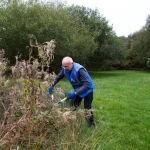
Hand removal remains the most precise and environmentally friendly approach to weed control, especially in vegetable gardens where selective removal protects nearby crops. The key to successful hand weeding lies in timing, technique, and tool selection.
Proper technique ensures complete removal without damaging nearby plants. Grasp weeds close to soil level and pull straight up with steady pressure rather than yanking quickly. For tap-rooted perennials, work a narrow weeding tool alongside the root to loosen soil before pulling.
Essential hand weeding tools include a sharp hoe for severing annual weeds at soil level, a dandelion weeder for extracting deep-rooted perennials, and a cultivating fork for loosening soil around established weeds. Keep tools clean and sharp to prevent spreading diseases between plants.
Remove pulled weeds from garden areas immediately to prevent re-rooting in moist soil. Annual weeds without seed heads can be composted, but perennial weeds and any plants with mature seeds should be disposed of separately to avoid spreading problems.
Mulching Methods to Suppress Growth
Strategic mulching creates a protective barrier that prevents weed seeds from reaching soil and germinating while conserving moisture for desired plants. Different mulching materials offer varying benefits depending on your garden’s specific needs and aesthetic preferences.

Organic mulches provide dual benefits of weed suppression and soil improvement as they decompose. Shredded bark works well around trees and shrubs, lasting 2-3 years while gradually enriching soil. Straw mulch excels in vegetable gardens, offering easy removal for replanting while allowing air and water penetration.
Grass clippings create effective short-term mulch when applied in thin layers that don’t create anaerobic conditions. Avoid clippings from lawns treated with herbicides within the previous month, and never use clippings from areas where weeds have gone to seed.
Inorganic mulches like landscape fabric or plastic sheeting provide long-term weed control in permanent plantings. These materials work best when properly installed with adequate drainage and anchoring to prevent wind damage or water pooling.
Apply organic mulches 2-4 inches (5-10 cm) thick around established plants, keeping material several inches away from plant stems to prevent moisture-related diseases. Refresh organic mulches annually or as they decompose to maintain effective weed suppression.
When and How to Use Herbicides Safely
Chemical weed control can play a role in comprehensive management programs when used judiciously and according to label directions. Understanding herbicide types and application methods ensures effective control while minimizing environmental impact and protecting desired plants.
Pre-emergent herbicides prevent weed seed germination when applied before weeds emerge, typically in early spring before soil temperatures reach 55°F (13°C). These products work best on annual weeds but require precise timing and uniform application for effectiveness.
Post-emergent herbicides control actively growing weeds through systemic or contact action. Selective herbicides target specific weed types without harming certain crops, while non-selective products kill any vegetation they contact. Glyphosate-based herbicides provide broad-spectrum control but require careful application to avoid drift onto desired plants.
Application timing significantly affects herbicide effectiveness. Treat young, actively growing weeds during calm weather conditions with temperatures between 60-80°F (15-27°C). Avoid application before rain or irrigation that could wash products off target weeds before absorption occurs.
Safety considerations include reading and following all label instructions, wearing appropriate protective equipment, and storing products securely away from children and pets. Consider organic alternatives like vinegar-based herbicides or corn gluten meal for gardens where chemical residues are a concern.
Cost Breakdown: Weed Control Solutions
Effective weed control requires investment in tools, materials, and time, but costs vary significantly based on chosen methods and garden size.

Budget Options ($20-50): Basic hand tools including a long-handled hoe ($15-25), dandelion weeder ($8-15), and cultivating fork ($12-20) provide essential equipment for manual control. Newspaper or cardboard mulching costs virtually nothing while offering effective suppression.
Mid-Range Solutions ($50-150): Quality organic mulches like shredded bark or straw cost $3-8 per cubic yard, requiring 3-5 yards for average garden coverage. Landscape fabric runs $0.50-1.50 per square foot installed. Pre-emergent herbicides cost $25-45 per application covering 5,000 square feet.
Premium Systems ($150-400): Professional-grade tools like wheel hoes ($100-200) and flame weeders ($75-150) increase efficiency for large gardens. Organic mulch delivery and installation services charge $8-15 per cubic yard. Selective post-emergent herbicides for specific weed problems cost $40-80 per treatment.
Long-term cost effectiveness favors prevention strategies. Initial investments in quality mulching materials and soil improvement typically reduce ongoing weed control expenses while improving overall garden health and productivity.
Frequently Asked Questions
When is the best time of day to pull weeds?
Early morning after dew has moistened the soil provides optimal conditions. Weeds pull more easily when hydrated, and cooler temperatures make the work more comfortable while reducing stress on nearby plants.
How thick should mulch be to prevent weeds effectively?
Apply organic mulch 2-4 inches thick for effective weed suppression. Thinner applications allow light penetration for weed germination, while excessive thickness can prevent water and air from reaching plant roots.
Can I use grass clippings as mulch around vegetables?
Yes, but apply thin layers and avoid clippings from herbicide-treated lawns or areas with mature weeds. Fresh grass clippings can generate heat as they decompose, so let them dry partially before applying.
Will pulling weeds make more weeds grow back?
Proper pulling technique removes the entire root system, preventing regrowth. However, disturbing soil can expose buried weed seeds to light, potentially triggering new germination in the disturbed area.
How do I prevent weeds from growing between stepping stones or pavers?
Install landscape fabric beneath hardscaping materials and fill joints with polymeric sand rather than regular sand. For existing installations, apply pre-emergent herbicide in early spring or use boiling water for immediate spot treatment.
📷 Featured image by Big G Media on Unsplash.