On this page
- Start With Your Actual Yard, Not Your Dream Yard
- Understand the Three Categories: Annuals, Perennials, and Shrubs
- Simple Design Principles That Prevent Chaos
- Planning for All-Season Bloom
- Easy Plants That Make Beginners Look Like Pros
- Planting and Care Through the Year
- Landscape Basics: Beyond the Flower Bed
- Common Beginner Mistakes to Sidestep
- Frequently Asked Questions
- Growing a Garden, Not Just Planting One
A good flower garden looks effortless. The same bed through the seasons — tulips in April, peonies in May, echinacea in July, asters through October — reads like nature happened to get it right in front of someone’s house. It didn’t. Someone chose those plants, placed them in that order, and waited. Flower gardening and landscape design look like luck and feel like magic, but they’re closer to a skill you build one plant at a time.
This guide covers the fundamentals a beginner needs to plan a flower garden and basic landscape that actually works — one that looks good year-round, survives the weather you actually have, and doesn’t demand more time than you’re willing to give. Not a plant encyclopedia, not a Pinterest fantasy, just the real mechanics of choosing plants, placing them, and helping them thrive.

Start With Your Actual Yard, Not Your Dream Yard
The most common mistake new flower gardeners make is buying plants before understanding their space. You come home from the garden center with a flat of gorgeous lavender, plant it in a spot that only gets three hours of morning sun, and watch it sulk all summer and die in its first winter. The plant wasn’t wrong. The placement was.
Before you buy a single plant, spend a day or two watching your yard. Make notes on four things: how much direct sun each area gets, what the soil is like when you dig into it, where water pools after a heavy rain, and what’s already growing (or failing to grow) in each spot.
Map Your Sun
Sun is the single most important factor in plant selection. Walk your yard three times on a sunny day — mid-morning, noon, and late afternoon — and note which areas are in direct sun each time. The categories plants are sold under are:
- Full sun: 6 or more hours of direct sunlight daily
- Part sun / part shade: 3–6 hours of direct sun, ideally morning sun and afternoon shade
- Full shade: Less than 3 hours of direct sun, usually dappled or indirect light
Be honest with yourself. A yard that “seems pretty sunny” is often part-sun in practice. Buying sun-loving plants for part-shade conditions is the single biggest cause of disappointing first-year flower gardens.
Know Your Hardiness Zone
The USDA Hardiness Zone system divides North America into regions based on average minimum winter temperatures. A plant rated for “Zones 5–9” will survive winter in any of those zones but likely die or struggle outside them. Your zone is the single most useful number for plant selection — every reputable plant label and catalog lists a zone range.
Look up your zone once, write it down, and never buy a perennial without checking that yours is within its range. For annuals, zone doesn’t matter — they’re grown for one season regardless of winter temperatures.
Check Your Soil
Grab a handful of damp soil from a few spots in your yard and squeeze it. Sandy soil falls apart immediately. Clay soil forms a sticky ball that holds its shape. Loamy soil — the ideal — holds together loosely and crumbles when poked. Most yards fall somewhere between clay and loam, with regional variation.
You can garden successfully in any soil type, but you need to either match plants to the soil you have or amend the soil to match your plants. Amending heavy clay with compost over several seasons produces beautiful garden soil. Ignoring the problem and planting moisture-sensitive plants in clay produces dead plants.

Understand the Three Categories: Annuals, Perennials, and Shrubs
Flower gardens work best when they mix all three. Each one plays a different role in the garden, and a landscape that uses only one category tends to either look boring or require constant replanting.
Annuals: Instant Color, Replanted Yearly
Annuals complete their entire life cycle in one growing season. You plant them in spring, they bloom all summer, and they die at frost. They’re the workhorses of showy color — petunias, marigolds, zinnias, impatiens, begonias. They bloom nonstop and fill a garden with life immediately.
The tradeoff is obvious: you buy and plant them again every spring. In your first year or two, annuals are invaluable — they fill empty spaces while your perennials establish themselves. By year three, most gardeners scale back on annuals and let perennials carry more of the visual weight.
Perennials: The Backbone of a Real Garden
Perennials come back year after year from the same root system. Their foliage dies back (or persists, depending on the plant) through winter, and they re-emerge in spring. Each plant blooms for a few weeks — sometimes longer — so a perennial garden relies on staggered bloom times to maintain color through the season.
Perennials are a long-term investment. They cost more per plant than annuals but pay for themselves within two or three years. A well-chosen perennial can live for decades, spread on its own, and be divided to create new plants. Classic beginner-friendly perennials include daylilies, coneflowers (echinacea), black-eyed Susan, hostas, sedum, and peonies.
Shrubs: The Structure Layer
Shrubs give a landscape its architecture. Unlike flowers, which change dramatically through the seasons, shrubs provide consistent shape and presence year-round. Evergreen shrubs like boxwood and junipers keep their foliage all winter; deciduous shrubs like hydrangeas and viburnums lose leaves but retain their branching structure and often their bark color.
Most residential landscapes need three to seven shrubs scattered through the planting areas to keep the garden from looking empty in winter. Without them, a flower garden collapses visually from November to April.

Simple Design Principles That Prevent Chaos
You don’t need to be a landscape architect to design a good flower garden. A handful of basic principles, applied consistently, produce results that look intentional rather than random.
Plant in Odd-Numbered Groups
A single plant looks like an accident. Two plants look like a pair. Three, five, or seven of the same variety grouped together look like a design choice. This is one of the oldest rules in planting design and it works. When buying perennials and small shrubs, buy at least three of each variety unless you’re placing a single specimen plant as a focal point.
Think in Three Heights
A well-designed flower bed has layered heights. Tallest plants go in back (against a fence or wall) or in the center (if the bed is viewed from all sides). Mid-height plants fill the middle. Low plants edge the front. This simple structure — back, middle, front — prevents the “flat” look that plagues amateur plantings and ensures every plant is visible.
As a rough starting point, aim for a back layer of 3–5 feet tall plants, a middle layer of 1–3 feet, and a front layer under 1 foot. Exact heights depend on the scale of your bed.
Repeat Plants Through the Garden
Repetition is what ties a garden together visually. Instead of one plant of thirty different varieties, use five or seven varieties and repeat each one in several spots throughout the garden. The eye follows the repetition and reads the whole space as cohesive. A garden full of one-offs looks like a plant collection; a garden with thoughtful repetition looks designed.
Limit Your Color Palette
Every color in the rainbow, all at once, reads as chaos. Pick two or three colors plus white or green, and stick to that palette for most of your garden. Classic combinations that work: purple and yellow (cool + warm contrast), pink and white (soft and romantic), blue and orange (strong contrast, very vivid), all-white (elegant and calming). Foliage in silver, burgundy, or chartreuse counts as part of the palette — it doesn’t have to come from flowers.

Planning for All-Season Bloom
The secret to a garden that looks good from spring through fall isn’t a single magical plant — it’s a deliberate sequence of bloom times. Each plant takes its turn on stage, then steps back as the next one takes over. This is called “bloom succession,” and it’s the single most important concept in perennial garden design.
Roughly how the season breaks down in most of the continental U.S.:
- Early spring (March–April): Crocus, daffodils, tulips, hellebores, primrose, creeping phlox
- Late spring (May): Peonies, bearded iris, columbine, bleeding heart, alliums, lilacs
- Early summer (June): Roses, salvia, daylilies, catmint, lavender, baptisia, early hydrangeas
- Mid summer (July): Coneflower, black-eyed Susan, phlox, bee balm, daisies, most hydrangeas
- Late summer (August): Russian sage, sedum, ornamental grasses beginning, late daylilies, garden phlox
- Fall (September–October): Asters, mums, Japanese anemone, sedum ‘Autumn Joy,’ ornamental grasses at peak
When planning a bed, try to include at least one plant from each of these windows. You don’t need every plant to be in bloom all the time — you just need something in bloom at all times. A garden with nothing happening in early June is a garden that looks tired halfway through the season.
Don’t Forget Foliage
Flowers are temporary. Foliage is forever — or at least, for the whole growing season. Plants with interesting leaves carry a garden through the weeks between bloom peaks. Hostas, heucheras, ornamental grasses, Japanese forest grass, ferns, and artemisia all provide visual interest even when nothing is blooming. A strong foliage backbone means your garden never looks “off” between show moments.
Easy Plants That Make Beginners Look Like Pros
Some plants are harder than they should be. Others thrive on neglect, spread gracefully, and bloom reliably with almost no effort. Start with these, get your confidence up, and then experiment with pickier varieties.

Nearly Indestructible Perennials
- Daylilies: Drought-tolerant, pest-resistant, and bloom for weeks. Available in hundreds of colors. Hardy in zones 3–9.
- Black-eyed Susan (Rudbeckia): Cheerful yellow daisy-like flowers from midsummer to frost. Self-seeds happily.
- Coneflower (Echinacea): Pollinator magnet, native to much of the U.S., tolerates poor soil and drought.
- Catmint (Nepeta): Long bloom time, silver-blue foliage, and nearly unkillable. Bees love it.
- Sedum: Succulent foliage, pink fall flowers, thrives on total neglect.
- Hostas: The classic shade plant. Low maintenance, beautiful foliage, and surprisingly pretty flowers.
- Daisies (Shasta daisies): Pure-white classic, long blooming, easy to divide and share.
Foolproof Annuals for Instant Color
- Marigolds: Sunny, deer-resistant, and may deter some garden pests.
- Zinnias: Grow from seed easily, bloom for months, and cut beautifully for bouquets.
- Petunias: The default choice for containers and edging. Prolific bloom, many colors.
- Impatiens: The go-to for shaded areas. Nothing blooms more in low light.
- Cosmos: Tall, feathery, self-seeding, and forgiving of bad soil.
Shrubs That Don’t Ask for Much
- Hydrangeas: Dramatic summer blooms, many varieties for every zone. Panicle hydrangeas are the most forgiving.
- Boxwood: Classic evergreen structure, tolerates shearing into any shape.
- Spirea: Tough as nails, spring-blooming, nearly pest-free.
- Knock Out roses: The easiest roses ever bred — bloom repeatedly, disease-resistant, and don’t require fussy pruning.
- Ninebark: Native, striking foliage colors, and thrives in difficult soil.
Planting and Care Through the Year

Most flower garden work happens in two intense windows — spring planting and fall cleanup — with lighter maintenance in between. Here’s the rhythm.
Spring Planting
Wait until after your last frost date to plant annuals and tender perennials. Hardy perennials and shrubs can go in earlier, as long as the ground isn’t frozen. When planting, dig a hole twice as wide as the root ball and just as deep — never deeper, or the plant will sink and suffocate. Loosen the roots gently before placing the plant. Backfill with native soil (not a big pile of store-bought compost, which creates a “bathtub” effect that holds water against the roots).
Water deeply right after planting, then again a few days later. New plants need consistent watering through their first season while roots establish.
Summer Maintenance
The two most impactful summer tasks are deadheading and watering. Deadheading — removing spent flowers before they go to seed — extends the bloom window on most annuals and many perennials. A quick 10-minute session every few days keeps a bed looking fresh all summer.
For watering, deep and infrequent beats shallow and frequent. A thorough soaking once or twice a week encourages deep root growth. Daily light sprinklings keep roots shallow and make plants more drought-vulnerable in the long run. Morning watering is best — it gives plants time to absorb water before the heat peaks, and foliage dries before evening.
Fall Cleanup and Prep
Modern gardening wisdom has shifted on fall cleanup. The old approach was to cut everything back hard and clear the beds. The current best practice is to leave most perennial stems and seedheads standing through winter — they provide food for birds, shelter for beneficial insects, and visual interest through the snow months. Cut them back in early spring instead.
Fall is the right time to plant spring-blooming bulbs (tulips, daffodils, crocus) — six weeks before the ground freezes. It’s also the best time of year to plant new shrubs and trees, since cool weather reduces transplant stress while roots continue growing until the ground freezes.
Landscape Basics: Beyond the Flower Bed

A flower garden is one element of a landscape. The full picture also includes lawn (or lawn alternatives), pathways, focal points, and the relationship between the house and the planting beds. You don’t need a formal design — you just need to avoid the common mistakes that make residential landscapes feel awkward.
Beds Should Have Curves or Clean Edges — Never Both
A flower bed with a crisp, defined edge looks intentional regardless of what’s inside it. Use a flat spade to cut a clean vertical edge between bed and lawn — it takes 20 minutes and transforms how the garden reads. Curved beds with flowing edges work beautifully in informal landscapes. Straight-edged rectangular beds work with formal architecture. Avoid a squiggly, wavy edge that looks like indecision.
Plant Beds Deep Enough to Matter
A flower bed that’s only 18 inches deep looks like a stripe of decoration against the house. Beds should be at least 3–4 feet deep from front to back, ideally more. This gives you room for the three-layer height structure and lets plants spread naturally without crowding. If your existing beds are too narrow, widen them — it’s almost always the single biggest improvement you can make to an existing landscape.
Don’t Ignore the Spaces Between Plants
Landscape design is as much about negative space as it is about plants. A well-groomed patch of lawn, a gravel path, a stone patio, or a mulched area between plant groupings lets the eye rest. Beds that are packed edge-to-edge with plants feel overwhelming. Leave breathing room.
Use Focal Points
Every landscape benefits from one or two focal points — a specimen tree, a beautiful urn, a bench, a birdbath, a striking shrub. Focal points give the eye somewhere to land and anchor the rest of the composition. Without them, even a well-planted garden can feel like it has no center of gravity.
Common Beginner Mistakes to Sidestep
Almost every first-year flower gardener makes at least a few of these. Knowing them in advance doesn’t prevent all of them, but it shortens the learning curve considerably.
- Planting too close together. A gallon-sized perennial looks small in the pot and enormous three years later. Follow the spacing on the label. Gaps will fill in.
- Buying plants one at a time. Single plants rarely look intentional. Buy in threes, fives, or sevens of each variety.
- Choosing plants for their flowers alone. A plant blooms for a few weeks and has foliage for six months. If the foliage is ugly, the plant looks bad most of the year.
- Forgetting about winter. A garden made entirely of herbaceous perennials and annuals looks like a wasteland from November to April. Add shrubs and evergreens.
- Fighting your conditions. Trying to grow acid-loving rhododendrons in alkaline soil, or moisture-lovers in dry sand, is a multi-year exercise in frustration. Plant what wants to grow where you live.
- Too much bark mulch, too often. Mulch is good; mounding it against stems and trunks causes rot. Keep a small gap between mulch and plant crowns.
- Giving up after one bad year. Gardens improve with time. Year one looks okay. Year three looks great. Year five looks like you’ve always known what you were doing.
Frequently Asked Questions
How much should I spend on plants my first year?
Less than you want to. Start with one small bed or section — maybe 50 to 100 square feet — and plant it well. Spending a few hundred dollars on a thoughtfully chosen mix of perennials, one or two small shrubs, and a few annuals will teach you more than spending thousands to “do the whole yard at once.” Gardens built gradually almost always look better than gardens installed all at once.
When is the best time of year to plant?
For most plants in most climates: fall is actually best for perennials, shrubs, and trees. Cool temperatures reduce stress, and roots continue growing while tops go dormant. Spring is the next best window. Avoid planting in the heat of summer unless you’re prepared to water daily. Annuals go in after your last frost in spring.
Do I really need to test my soil?
For a beginner’s ornamental garden, usually no. Most garden plants tolerate a wide range of soil conditions, and observing what already grows well in your area tells you most of what you need to know. A soil test becomes useful if plants are consistently failing in a specific spot, if you suspect contamination, or if you’re planning a vegetable garden where nutrient levels matter more. Soil tests are cheap and available through most state extension services if you want one.
What about native plants? Are they really better?
Often yes, but it depends. Plants native to your region typically need less water, less care, and support more local wildlife (pollinators, birds) than non-natives. They also handle your weather extremes better. However, not every native is a great garden plant, and some well-behaved non-natives are perfectly sustainable. A good balance: aim to include some true natives — coneflowers, milkweed, asters, native grasses — but don’t feel obligated to exclude every non-native flower you love.
Should I design the whole garden before I start planting?
A rough plan helps — especially for major elements like bed placement, shrubs, and trees, which are hard to move later. Detailed planting plans, on the other hand, almost always change as you live with the garden and learn what does well in each spot. Plan the structure, experiment with the plants, and accept that your garden will evolve for years.
Growing a Garden, Not Just Planting One
The difference between a yard with flowers in it and a real garden is time. Every experienced gardener you admire started where you are — looking at an empty bed, unsure where to begin, making mistakes they later laughed about. The plants that look so effortlessly placed in their gardens are there because someone moved them two or three times before they landed in the right spot.
Start with your actual conditions, not your dreams. Mix annuals, perennials, and shrubs. Plant in groups, layer your heights, repeat your colors. Pick plants that want to grow where you live. Mulch generously, water deeply, and give the whole project at least three seasons before you judge how it’s doing.
The best gardens aren’t designed and installed. They’re grown — plant by plant, season by season, one small correction at a time. Yours will be no different.
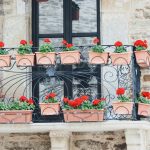
📷 Featured image by Charly Seyler on Unsplash