On this page
- Ignoring Scale and Proportion in Plant Selection
- Cramming Too Many Elements Into Limited Space
- Lack of Clear Pathways and Flow
- Overwhelming Color Schemes and Visual Chaos
- Neglecting Vertical Space and Layering Opportunities
- Creating Dead Zones and Awkward Empty Corners
- Cost Breakdown: Budget-Friendly Solutions for Common Design Problems
- Frequently Asked Questions
Walking through your garden should feel like entering a peaceful retreat, not navigating an obstacle course of mismatched plants and cluttered features. Yet many well-intentioned gardeners unknowingly create cramped, chaotic outdoor spaces that feel smaller and more stressful than intended. The difference between a garden that breathes and one that suffocates often comes down to avoiding a handful of common design pitfalls that plague even experienced gardeners.
Ignoring Scale and Proportion in Plant Selection
The most jarring mistake in garden design involves choosing plants without considering their mature size relative to your space. A 6-foot-wide (1.8m) boxwood hedge might look charming at the nursery, but it becomes an overwhelming green wall when planted 3 feet (0.9m) from your back door in a 12-foot-wide (3.6m) yard.
Plant tags often display both current and mature sizes, but many gardeners focus only on the appealing small plant in front of them. That innocent Japanese maple sapling will spread 15-20 feet (4.5-6m) wide at maturity, potentially dwarfing nearby perennials and blocking windows you hadn’t considered.
Scale problems extend beyond individual plants to entire garden beds. Installing 4-foot-deep (1.2m) borders in a narrow side yard creates tunnel-like walkways that feel oppressive rather than welcoming. The sweet fragrance of jasmine climbing over an arbor quickly becomes overwhelming when the structure spans the entire width of a small patio, blocking light and air circulation.
Consider your hardiness zone when selecting plants for scale. In USDA zones 8-10, aggressive growers like bamboo, Confederate jasmine, and certain ornamental grasses can quickly outgrow their intended space. Northern gardeners in zones 3-6 often underestimate how large their hostas, daylilies, and ornamental trees will become after several growing seasons.
Choose dwarf cultivars for small spaces: ‘Nana’ boxwood instead of standard varieties, compact roses like ‘Knock Out’ series, or dwarf fruit trees on restricting rootstock. These selections provide the same visual impact without overwhelming your garden’s proportions.
Cramming Too Many Elements Into Limited Space
Small gardens often suffer from “theme park syndrome” where owners try to include every appealing element they’ve seen elsewhere. The result resembles a miniature botanical garden with conflicting styles competing for attention rather than a cohesive outdoor living space.
A typical cramped design might include raised vegetable beds, a water feature, decorative trellis, fire pit, dining area, play space, and multiple flower borders all squeezed into a 20×30-foot (6x9m) backyard. Each element individually makes sense, but together they create visual chaos and eliminate the open space that makes gardens feel relaxing.
Every garden needs breathing room—areas where the eye can rest without processing multiple design elements. Professional landscape designers follow the “rule of thirds” where roughly one-third of any garden space remains relatively open, whether as lawn, gravel paths, or simple ground cover.
Seasonal considerations affect this balance significantly. Spring gardens with emerging perennials and leafless deciduous trees feel more open than the same space in midsummer when everything reaches peak growth. Plan for the seasons when your garden feels most dense, typically July through September in most temperate zones.
Focus on three main elements maximum in small gardens. If you want vegetables, a seating area, and flowering plants, resist adding water features, elaborate structures, or additional activity zones. Each element can be more substantial and impactful when given adequate space to shine.
Lack of Clear Pathways and Flow
Gardens without obvious circulation patterns feel confusing and cramped because visitors don’t know where to walk or how to experience the space. Narrow, winding paths that constantly force people to dodge overhanging branches or step around garden features create anxiety rather than enjoyment.

Minimum path widths depend on usage and garden style. Main circulation routes need 4-5 feet (1.2-1.5m) width for comfortable passage, while secondary garden paths can function at 2-3 feet (0.6-0.9m). Anything narrower feels restrictive and discourages exploration.
Path materials significantly affect how spacious gardens feel. Light-colored gravel, concrete, or stone creates visual continuity that makes spaces appear larger. Dark mulch paths tend to disappear visually, making gardens feel disconnected and choppy.
Straight paths generally make small gardens appear larger than curving ones, despite conventional wisdom about creating mystery and interest. Gentle curves work in larger gardens with room to develop, but tight serpentines in small spaces feel forced and waste precious square footage.
Consider seasonal path conditions when planning routes. Muddy spring areas, snow-covered winter walkways, and leaf-covered autumn paths all affect how people move through your garden. Choose path locations and materials that remain functional year-round in your climate zone.
Create clear destinations along paths: a bench overlooking your best flower border, a small clearing with container plants, or simply a well-composed view of your garden’s focal point. Paths that lead nowhere or end abruptly feel incomplete and waste space.
Designing Logical Garden Flow
Garden flow extends beyond physical pathways to include visual movement and seasonal progression. Plan sight lines that draw the eye through your garden rather than stopping abruptly at fences or dense plantings.
Layer plant heights to create depth, with taller elements toward the back and shorter ones in front. This basic principle keeps gardens from feeling like flat stage sets and allows visitors to see multiple garden layers from any viewpoint.

Seasonal flow matters especially in four-season climates. Plan for spring bulb displays that transition to summer perennials and autumn color. Gardens that peak once and fade for months feel wasteful of space and attention.
Overwhelming Color Schemes and Visual Chaos
Enthusiastic gardeners often plant every appealing flower without considering how colors interact across the growing season. The result is gardens that assault the senses rather than providing peaceful beauty, with hot pink petunias clashing against orange marigolds while purple asters fight for attention nearby.
Successful color schemes rely on restraint and repetition rather than variety. Choose two or three main colors plus white or green as neutrals, then repeat those choices throughout your garden. This creates visual cohesion that makes spaces feel larger and more sophisticated.
Cool colors—blues, purples, and whites—make gardens appear more spacious and peaceful. These hues recede visually, creating depth and calm. Hot colors like reds, oranges, and bright yellows advance toward viewers, making spaces feel smaller and more energetic.
Seasonal color transitions require careful planning. Spring tulips in soft pastels can clash horribly with summer’s bold annuals if you don’t consider the overlap period in late May and early June. Plan color progressions that flow naturally through your growing season.
Foliage colors often get overlooked in favor of flowers, but green variations provide the backbone of successful garden color schemes. Silver artemisia, burgundy heuchera, and chartreuse hostas contribute more lasting color impact than short-lived annual blooms.
Consider your regional light conditions when planning colors. Desert gardens with intense sunlight can handle bolder color combinations that would appear garish in the filtered light of Pacific Northwest gardens. Adjust your palette to complement your local growing conditions.
Neglecting Vertical Space and Layering Opportunities

Most garden design mistakes happen at ground level, but the biggest missed opportunities often exist in vertical space. Gardens that fail to use height variation feel flat and cramped because they don’t take advantage of the three-dimensional opportunities that make small spaces feel larger.
Vertical elements don’t require large footprints. A 2-foot-wide (60cm) trellis can support climbing roses, clematis, or food crops like beans and cucumbers without consuming precious ground space. Wall-mounted planters, hanging baskets, and tiered plant stands multiply growing space without expanding your garden’s footprint.
Natural layering mimics how plants grow in forest settings, with canopy trees, understory shrubs, and ground-level plants each occupying different vertical zones. Recreate this layering in garden beds by combining tall perennials like delphiniums or hollyhocks with medium-height plants like peonies or ornamental grasses, finished with low ground covers or spreading perennials.
Seasonal layering becomes especially important in deciduous gardens where vertical structure changes dramatically between summer and winter. Include evergreen shrubs or architectural plants like ornamental grasses that provide winter interest after perennials die back.
Architectural features like arbors, pergolas, and trellises serve double duty by creating vertical interest while supporting climbing plants. A simple cedar arbor spanning a garden path provides immediate height and structure while offering support for fragrant honeysuckle or productive grape vines.
Creating Dead Zones and Awkward Empty Corners
Poor garden design often includes spaces that serve no function and feel uncomfortable or forgotten. These dead zones typically develop in narrow side yards, behind garages, or in corners where property lines create awkward triangular spaces that resist traditional landscaping approaches.

Corner plantings frequently fail because gardeners try to force symmetrical designs into asymmetrical spaces. Instead of fighting the odd dimensions, embrace them with naturalistic plantings that flow with the space’s existing character. A cluster of native grasses and wildflowers can transform an awkward corner into an appealing wildlife habitat.
Narrow side yards present unique challenges because they’re too thin for traditional garden beds but too visible to ignore. These spaces work well as service areas disguised with attractive screening plants, or as gallery gardens featuring a progression of containers with seasonal displays.
Empty lawn areas in small gardens often feel like wasted space rather than breathing room, especially when they’re too small for practical use. Consider whether that 8×10-foot (2.4x3m) patch of grass serves any purpose, or if it would better function as a gravel garden, expanded flower border, or outdoor dining area.
Seasonal dead zones appear when gardens lack four-season interest. Summer-only gardens feel barren and unused for eight months of the year in northern climates. Include evergreen shrubs, ornamental grasses, plants with attractive seed heads, and features like sculpture or water elements that provide winter appeal.
Transitional spaces between different garden areas require special attention to avoid feeling like afterthoughts. The junction between formal flower borders and informal woodland areas, for example, needs plants that bridge both styles rather than creating abrupt contrasts that feel jarring.
Cost Breakdown: Budget-Friendly Solutions for Common Design Problems
Fixing cramped garden design doesn’t require expensive landscape renovation. Most improvements involve strategic plant selection, minor hardscape additions, and better organization of existing elements.
Budget Solutions ($50-200)
Plant division and relocation costs only time and effort. Divide oversized hostas, daylilies, and ornamental grasses in spring or fall, using divisions to fill empty spaces while reducing overcrowding. Transplant misplaced shrubs during dormant seasons rather than purchasing new plants.

Mulch pathways using free materials like wood chips from tree services or gravel from construction sites. A 3×50-foot (0.9x15m) mulched path costs $75-125 in purchased materials but creates significant visual impact and improved circulation.
Vertical growing structures from basic materials expand growing space economically. Build simple trellises using 1×2-inch (2.5x5cm) lumber and wire mesh for $40-60 each, or repurpose old ladders and architectural salvage as plant supports.
Mid-Range Solutions ($200-800)
Strategic plant replacement addresses scale and proportion problems without complete garden renovation. Remove one oversized shrub and replace it with three smaller, appropriately scaled plants for $150-300 depending on plant sizes and types.
Hardscape path improvements using stepping stones, brick, or gravel create professional-looking circulation routes. A 50-foot (15m) stepping stone path costs $250-500 including materials and basic installation tools.
Container gardens and raised planters add vertical interest and solve awkward space problems. Three large decorative containers with quality potting mix and plants cost $300-600 but provide immediate impact and seasonal flexibility.
Premium Solutions ($800-2500)
Professional design consultation identifies problems you might miss and provides comprehensive solutions. Most landscape designers charge $100-150 per hour for consultation, with basic garden redesign plans costing $500-1200.
Structural improvements like pergolas, arbors, or retaining walls address fundamental design flaws while adding property value. A basic cedar pergola kit costs $800-1500 including installation hardware, while custom-built structures range $1200-2500.
Complete bed renovation with proper spacing, soil improvement, and appropriate plant selection provides long-term solutions. Renovating a 200-square-foot (18.5 square meter) garden bed including soil amendments, mulch, and plants typically costs $1000-2000.
Frequently Asked Questions
How can I make my small garden look bigger without major renovation?
Use light-colored hardscaping materials, create clear sight lines through strategic pruning, and choose plants with fine textures rather than bold, chunky foliage. Mirrors placed strategically can also create illusions of expanded space in enclosed gardens.

What’s the biggest mistake when spacing plants in new gardens?
Planting at current plant size rather than mature spacing is the most common error. Always space based on expected mature width, even if beds look sparse initially. Fill temporary gaps with annuals or attractive mulch.
How do I fix overcrowded established gardens without starting over?
Begin with selective removal of the most oversized plants, then divide and relocate others during appropriate seasons. Work gradually over 2-3 years rather than attempting complete renovation at once to minimize plant stress and expense.
When is the best time to redesign garden layouts?
Late fall through early spring offers optimal timing for most redesign work when plants are dormant. This allows major moves and changes without disrupting active growing seasons, though container gardens can be rearranged anytime.
How many focal points should a small garden have?
Limit small gardens to one primary focal point with perhaps 1-2 secondary features. Too many competing focal points create visual chaos rather than organized beauty. Choose quality over quantity for maximum impact in limited space.
Explore more
How to Hand-Pollinate Squash Blossoms for Maximum Fruit Production
Organic Pest Control: Natural Ways to Protect Your Garden
Garden Design Principles: How to Create a Garden that Works for You
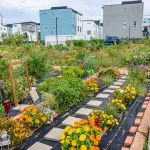
📷 Featured image by Pankaj Shah on Unsplash.