On this page
- Why May Is the Sweet Spot for Container Gardening
- Choosing the Right Containers for Small Spaces
- The Best Plants to Grow in Containers This May
- Soil, Drainage, and Feeding — Getting the Foundation Right
- Arranging Containers to Maximize Every Square Foot
- Watering Strategies for May’s Warming Temperatures
- Cost Breakdown: Starting a Container Garden in May
- Frequently Asked Questions
May is the month most container gardeners either get things right or set themselves up for a frustrating summer. The frost risk has dropped in most regions, temperatures are climbing steadily, and the garden centers are fully stocked. But small-space gardening still trips people up — wrong containers, wrong soil, wrong placement. If you have a balcony, patio, doorstep, or even a sunny windowsill, this guide will help you grow more food and more beauty from every square meter (or square foot) you have available.
Why May Is the Sweet Spot for Container Gardening
Across most of the United States, May sits in that ideal window after the last frost but before the brutal heat of summer sets in. In USDA hardiness zones 5 through 7, average last frost dates fall between late March and early May, meaning by mid-May you can plant warm-season crops outdoors without covering them every night. In zones 8 through 10, you’re already well into the warm season and focusing on heat-tolerant varieties before summer peaks.
This timing matters enormously for containers. Unlike in-ground beds, pots heat up and cool down faster than the surrounding soil. In May, that’s actually an advantage — soil temperatures in containers rise quickly on sunny days, giving roots the warmth they need to establish fast. That same characteristic becomes a liability in July, when containers can overheat. Getting plants established now, while conditions are gentle, gives them a fighting chance through the hotter months ahead.
If you’re in zones 3 or 4, your last frost date may fall in mid-to-late May. In those regions, start warm-season container crops indoors now and plan to move them outside in late May or early June once night temperatures stay reliably above 10°C (50°F).
Choosing the Right Containers for Small Spaces
The container you choose controls everything downstream — how often you water, how healthy the roots stay, and how much you can actually grow. The single most common mistake is going too small. A pot that looks generous on the shelf at the garden center often holds only enough soil to sustain a plant for a few weeks before it becomes root-bound and stressed.

Here’s a practical size guide for common container crops:
- Herbs (basil, parsley, chives): Minimum 20 cm (8 inches) diameter per plant
- Lettuce and salad greens: A wide, shallow trough at least 20 cm (8 inches) deep
- Tomatoes: At least 40 liters (10 gallons) per plant — bigger is better
- Peppers and eggplant: 15–20 liters (4–5 gallons) minimum
- Cucumbers and squash: 20–25 liters (5–7 gallons), with vertical support
Material matters too. Terracotta looks beautiful and breathes well, but it dries out fast — a real problem on a windy balcony in May. Plastic and resin containers hold moisture longer and are much lighter, which matters if you’re working on a rooftop or balcony with weight limits. Fabric grow bags have gained a loyal following among serious growers because they air-prune roots naturally and prevent overwatering. Whatever you choose, drainage holes are non-negotiable. A container without drainage will drown even drought-tolerant plants within a few weeks.
The Best Plants to Grow in Containers This May
May gives you the widest planting window of any month. You can still direct-sow cool-season crops like lettuce, spinach, and radishes early in the month while simultaneously transplanting warm-season seedlings like tomatoes, peppers, and herbs. This overlap is something experienced container gardeners take full advantage of.
For edible containers this May, focus on:
- Cherry tomatoes: Compact and prolific, they produce heavily in containers and ripen faster than large beefsteak types.
- Bush beans: Direct-sow in late May in most zones. They need no staking and produce a clean harvest.
- Basil: The scent of fresh basil warmed by afternoon sun — that sharp, clove-like sweetness rising off the leaves as you brush past — is reason enough to grow it. It also loves the heat that containers generate.
- Lettuce and mesclun mixes: Sow now for cut-and-come-again harvests through June. Shade them slightly in warmer zones to delay bolting.
- Strawberries: Hanging baskets or tiered planters work beautifully. They cascade, look stunning, and produce fruit with very little effort in May and June.
- Nasturtiums: Edible flowers that fill gaps, suppress weeds in the pot, and attract pollinators. Direct-sow in May.
For ornamental containers, May is prime time for annual flowers. Calibrachoa, petunia, and verbena all thrive in containers and bloom continuously through summer if deadheaded regularly. Pair trailing plants with upright thrillers and something mounding in between — the classic “thriller, filler, spiller” approach works because it fills the visual space efficiently and hides bare soil.
Soil, Drainage, and Feeding — Getting the Foundation Right

Never use garden soil in containers. This cannot be overstated. Garden soil compacts in pots, cuts off oxygen to roots, and often introduces disease. Use a high-quality potting mix specifically formulated for containers — these are designed to stay loose and drain well even after repeated watering.
For most vegetables and herbs, a standard potting mix works well. For tomatoes, peppers, and other heavy feeders, look for a mix with added slow-release fertilizer already incorporated, or plan to feed separately. For succulents or Mediterranean herbs like rosemary and thyme, choose a mix with added perlite or grit for faster drainage.
Drainage inside the container can be improved by adding a 2.5 cm (1 inch) layer of coarse perlite or horticultural grit at the bottom before adding your potting mix. Skip the old advice about putting gravel or pot shards at the bottom — research has shown this actually creates a “perched water table” that keeps soil wetter, not drier.
Feeding containers is essential because every time you water, nutrients flush out through the drainage holes. Start feeding once plants are established — usually 2–3 weeks after transplanting — with a balanced liquid fertilizer every 1–2 weeks. Switch to a higher-potassium feed once fruiting plants start to flower, which encourages fruit set over leafy growth.
Arranging Containers to Maximize Every Square Foot
Small-space gardening rewards creative thinking about vertical space. Most people spread containers flat across their patio when they could be stacking, hanging, and climbing. A single fence or railing can support hanging baskets at eye level and wall-mounted planters below, effectively doubling your growing area without taking up any floor space.
Tiered plant stands — available in most garden centers — let you grow 5–6 smaller pots in the footprint of one large one. Use the top tiers for sun-loving plants and the lower tiers for shade-tolerant herbs like mint, cilantro, and parsley.
Think about sun tracking too. In May, the sun sits higher in the sky than in spring, so the shade patterns on your balcony or patio shift. Spend one day observing which spots get 6+ hours of direct sun — those spots are reserved for tomatoes, peppers, and basil. Spots with 4–5 hours suit lettuce, herbs, and flowers. Spots with fewer than 4 hours are best left for shade-tolerant ferns or impatiens.
Group containers together for two reasons: it creates a microclimate with slightly higher humidity around the plants, and it makes watering far more efficient. Isolated pots dotted around a patio dry out unevenly and are easy to forget.

Watering Strategies for May’s Warming Temperatures
May is the month when watering requirements start climbing noticeably. Early in the month, you might water every two days. By late May, small containers in full sun may need water every day, or even twice daily during a warm spell.
The finger test is the most reliable check: push your finger 2.5 cm (1 inch) into the soil. If it feels dry at that depth, water thoroughly until it drains freely from the bottom. If it still feels moist, wait another day. Wilted leaves are not a reliable early indicator — by the time a plant wilts, it has already been stressed.
Water in the morning wherever possible. This gives leaves time to dry before evening, reducing the risk of fungal issues. It also ensures roots have access to moisture during the warmest part of the day, when the plant is actively growing and transpiring.
For anyone with more than a dozen containers, a simple drip irrigation system with a timer is one of the most valuable investments you can make. It removes the single biggest cause of container plant death — inconsistent watering — and frees you from daily checking during hot spells or when you travel. Basic drip timer setups start at around $30–$50 USD and can connect to standard garden hose fittings.
Cost Breakdown: Starting a Container Garden in May
Container gardening doesn’t require a huge budget, but it’s easy to overspend if you don’t plan. Here’s a realistic breakdown for setting up a productive small-space container garden from scratch:
Budget Setup (under $75 USD)
- 3–4 mid-size plastic or resin containers: $15–$25
- One large bag of potting mix (50 liters / ~1.75 cu ft): $12–$18
- Seed packets (lettuce, basil, radish, nasturtium): $8–$12
- 2–3 transplant seedlings (tomato, pepper): $8–$12
- Basic liquid fertilizer: $8–$10
Mid-Range Setup ($150–$250 USD)
- 6–8 containers including one large grow bag or planter for tomatoes: $50–$80
- Premium potting mix with added slow-release fertilizer: $30–$45
- Selection of transplant seedlings and seeds: $25–$40
- Drip watering timer kit: $35–$50
- Fertilizers (liquid and granular): $15–$25
Premium Setup ($300–$500+ USD)
- Decorative terracotta or glazed ceramic containers: $80–$150
- Tiered plant stand or wall-mounted vertical planter system: $60–$120
- Premium potting mixes tailored by plant type: $50–$80
- Full drip irrigation system with multiple zones: $80–$120
- Curated selection of specialty transplants and herbs: $40–$70
The good news is that containers last for years. After the initial investment, your main recurring costs each season are potting mix, fertilizer, and plants — typically $40–$80 USD per year to refresh a modest setup.

Frequently Asked Questions
Can I reuse last year’s potting mix in my containers?
You can, but refresh it first. Old potting mix loses structure and nutrients over a season. Mix in about 25–30% fresh potting mix and a slow-release fertilizer before replanting. If last year’s plants showed signs of disease, discard the old mix entirely and start fresh to avoid passing problems on to new plants.
How many hours of sun do containers really need in May?
Fruiting vegetables — tomatoes, peppers, cucumbers — need a minimum of 6 full hours of direct sunlight daily. Leafy greens, herbs like mint and parsley, and most flowers manage well with 4–5 hours. Below 4 hours, your options are limited to shade-tolerant plants like ferns and impatiens.
Why are my container plants wilting even though I water regularly?
Wilting despite regular watering usually means one of three things: the roots are sitting in waterlogged soil with no drainage, the plant is root-bound and can’t absorb water efficiently, or midday heat is temporarily stressing the plant. Check drainage holes first, then assess whether the plant has outgrown its container and needs potting up.
What’s the best way to fertilize container vegetables in May?
Use a balanced liquid fertilizer — one with roughly equal nitrogen, phosphorus, and potassium — every 1–2 weeks once plants are established. When tomatoes, peppers, or squash begin to flower, switch to a formula higher in potassium to support fruit development. Slow-release granular fertilizers mixed into the soil at planting provide a useful baseline feed.
Can I grow tomatoes on a balcony or rooftop in May?
Yes, absolutely. Choose compact or bush varieties rather than indeterminate climbing types, which need more root space and support. Use containers of at least 40 liters (10 gallons), place them in your sunniest spot, and be prepared to water daily once temperatures climb. Wind exposure on balconies and rooftops dries containers out faster than at ground level.
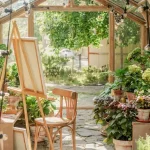
📷 Featured image by Priscilla Du Preez 🇨🇦 on Unsplash.