On this page
- Digging and Soil Preparation Tools
- Cutting and Pruning Tools
- Watering Equipment
- Weeding Tools
- Measuring, Marking, and Planning Tools
- Safety and Protective Gear
- Cost Breakdown: Budget to Premium
- Seasonal Tool Use by USDA Hardiness Zone
- Tool Maintenance: Making Your Investment Last
- Frequently Asked Questions
Most gardening problems don’t start with the soil or the seeds — they start with the wrong tool in your hand. Using a border spade to dig a planting hole, or trying to prune a thick shrub branch with a pair of scissors, makes every task harder than it needs to be. The right tools don’t just speed up the work; they protect your body, your plants, and your budget over the long run. This guide cuts through the noise and tells you exactly what you need, what you can skip, and what to look for when you’re standing in the hardware store aisle wondering if a $15 trowel is the same as a $45 one (it isn’t).
Digging and Soil Preparation Tools
Before anything grows, soil has to be moved, broken up, and shaped. The tools in this category are the foundation of your kit. Buying cheap here is the fastest way to end up with a snapped handle mid-dig.
Spades and Shovels
These two get used interchangeably, but they serve different purposes. A spade has a flat, straight blade — ideal for cutting clean edges, slicing through sod, and digging planting holes with vertical sides. A shovel has a curved, scooped blade and is better for moving loose material like compost, gravel, or mulch. Every gardener needs a spade. Most also need a shovel eventually.
Look for a forged steel head rather than stamped steel. Forged tools are pressed from a single piece of metal and hold their edge through hard use. The handle should be ash wood or fibreglass — avoid hollow metal handles, which transmit vibration uncomfortably and can dent under stress. A D-grip handle gives better control in tight spaces; a T-grip suits taller gardeners who prefer long handles. Handle length around 100–120 cm (40–48 inches) suits most adults.
Garden Forks
A garden fork does something a spade cannot: it loosens and aerates soil without completely inverting it, which protects soil structure and the beneficial organisms living in it. Tines punch through compacted ground and clay soil far more effectively than a flat blade. Use a fork to break up clods after digging, work compost into beds, and lift root vegetables like potatoes without slicing through them. Four square tines is the standard; avoid forks with flat tines, which are for moving hay, not digging.
Hand Trowels
The hand trowel is the tool you’ll reach for more than anything else. Transplanting seedlings, planting bulbs, mixing soil amendments in a pot — all of it gets done with a trowel. A quality stainless steel trowel with a riveted or welded connection between the blade and handle will outlast half a dozen cheap ones. The satisfying heft of a well-made trowel in your hand, blade sinking smoothly into dark, prepared soil, is the kind of tactile feedback that tells you the tool is doing the work properly. Blade width around 8–10 cm (3–4 inches) is versatile for most jobs.

Bulb Planters and Post-Hole Diggers
If you plant bulbs in any quantity, a dedicated bulb planter — a cylindrical tube that pulls a plug of soil to a consistent depth — saves significant time and back strain over a trowel. A post-hole digger (also called a clamshell digger) is only necessary if you’re installing fence posts, trellises, or raised bed corner supports. Skip it until you have a specific need.
Cutting and Pruning Tools
Cutting tools have one job: make clean cuts. A clean cut heals quickly on a plant; a torn or crushed cut invites disease. Matching the right cutting tool to the right stem size is the difference between a plant that bounces back and one that slowly declines.
Hand Pruners (Secateurs)
Bypass pruners have two curved blades that pass each other like scissors — they make the cleanest cuts and are the right choice for live wood up to about 1.5 cm (½ inch) in diameter. Anvil pruners have one blade that closes onto a flat plate; they’re cheaper and better suited to dead wood, but they crush live stems. For most gardeners, a good pair of bypass pruners is the only hand pruner they’ll ever need. Brands like Felco (Swiss-made, around $40–$70) and ARS (Japanese, $35–$65) are the industry standard for a reason — replacement blades are available and the spring mechanism stays reliable for decades.
Loppers
Loppers are long-handled bypass or anvil cutters for branches your hand pruners can’t handle — typically 2.5–5 cm (1–2 inches) in diameter. The extended handles (60–90 cm / 24–36 inches) give you the leverage to cut through woody shrub stems without straining. Telescoping loppers that extend to 120 cm (48 inches) are useful for reaching into the centre of dense shrubs without getting scratched up.
Pruning Saws
Anything over 5 cm (2 inches) in diameter belongs to a pruning saw, not loppers. A folding pruning saw with a curved blade around 25–30 cm (10–12 inches) long handles most garden jobs and stores safely in your pocket. The teeth are designed to cut on the pull stroke, which gives you better control than a push-cut saw.

Hedge Shears and Grass Shears
Hedge shears are for shaping — trimming box hedges, topiary, or ornamental grasses into clean lines. They’re not suited for pruning woody branches and will be damaged by it. Grass shears are small, spring-loaded scissors for trimming lawn edges along borders and around obstacles where a mower or string trimmer can’t reach cleanly.
Watering Equipment
Plants die from overwatering more often than underwatering in most home gardens. Good watering equipment helps you deliver the right amount of water to the right place — at soil level, slowly enough to soak in rather than run off.
Garden Hoses
A quality hose is one area where the price gap between budget and mid-range is enormous in terms of actual daily usability. Cheap hoses kink constantly; the fittings leak; they crack in UV light within a season. Look for a rubber or rubber-vinyl blend hose at least 12-ply thick, with solid brass fittings. A 15–20 m (50–65 foot) hose reaches most home garden plots without becoming unmanageable. Expandable hoses are popular but have a much shorter lifespan — most last 1–2 seasons under regular use.
Spray Nozzles and Watering Wands
A multi-pattern nozzle gives you a mist setting for seedlings, a jet for washing off aphids, and a fan or shower pattern for general watering. A watering wand — an extension tube with a gentle rose head — lets you water at soil level without bending, which matters enormously for raised beds and hanging baskets. The wand keeps water off the foliage, which reduces fungal disease pressure.
Watering Cans
For container plants, seedlings, and any task requiring precision, nothing beats a watering can with a long spout and a fine rose head. A 9-litre (2-gallon) can is the practical sweet spot — large enough to be efficient, light enough to carry full. Galvanised steel cans last decades; plastic cans are fine and much lighter if you’re watering frequently.

Drip Irrigation and Soaker Hoses
If your vegetable beds are larger than about 4 x 4 m (13 x 13 feet), a basic drip system or soaker hose setup pays for itself quickly in water savings and consistent yields. Soaker hoses (porous tubing that seeps water along their entire length) are the simplest entry point — lay them along plant rows, connect to your tap, and set a timer. A basic timer costs $15–$30 and prevents the most common watering mistake: forgetting entirely on a hot day.
Weeding Tools
Weeding by hand is a fine workout, but doing it with the wrong tool — or no tool at all — is a guarantee of sore knees and a back that complains for two days afterward. Good weeding tools let you work standing up most of the time and deal with weeds before they set seed.
The Standard Hoe
A draw hoe (the classic flat-bladed hoe) cuts weed stems just below the surface as you pull it toward you. It’s fast across a large area, especially effective on annual weeds when used while weeds are still small — under 5 cm (2 inches). The key is to work it shallowly, just skimming the soil surface; deep hoeing brings buried weed seeds to the light where they germinate.
The Oscillating Hoe (Stirrup Hoe)
Also called a hula hoe or action hoe, this tool has a hinged blade that cuts on both the push and pull stroke. It’s faster and less tiring than a standard hoe and works particularly well between rows of vegetables. Many experienced gardeners call this the single most useful weeding tool they own.
Hand Weeders and Dandelion Forks
For perennial weeds with deep tap roots — dandelions, dock, bindweed — you need a narrow, pointed tool that goes deep and levers out the entire root. A Cape Cod weeder or a long-bladed dandelion fork are the two best options. Cutting dandelion roots off partway down just means regrowth; you need to get the whole root out, which can be 20–30 cm (8–12 inches) deep in established plants.
Cultivators
A three-pronged hand cultivator scratches the soil surface between plants to break up a light crust, incorporate fertiliser, and dislodge tiny weed seedlings before they establish. It’s not for deep digging — a fork does that — but for surface maintenance between waterings, it keeps the bed looking tidy and the soil open.
Measuring, Marking, and Planning Tools

These tools don’t look dramatic but they make the difference between a garden that’s guessed at and one that’s managed with intention. Getting the basics right at planting time means fewer failed crops and less wasted effort later.
Soil Thermometer
Soil temperature governs germination more reliably than calendar date. Tomatoes won’t germinate below 15°C (60°F); beans stall below 12°C (54°F); corn needs at least 10°C (50°F). A simple dial probe thermometer costs $8–$15 and tells you in 60 seconds whether it’s worth planting out or waiting another week. Push it 5–8 cm (2–3 inches) into the soil for an accurate reading at root zone depth.
pH Meter and Soil Test Kits
Soil pH determines whether nutrients are available to plants, regardless of how much fertiliser you apply. A pH that’s too high or too low locks nutrients out. A basic soil test kit from your local extension service or garden centre gives you pH, nitrogen, phosphorus, and potassium readings for around $15–$25. Digital pH meters ($20–$60) give faster readings but need calibration. Test your soil once a year, ideally in autumn when you have time to amend before spring planting.
Garden Line and Dibber
A garden line — a length of twine wound on two pegs — gives you a straight reference point for sowing rows, setting out transplants, or marking bed edges. Straight rows aren’t just aesthetic; they make hoeing between rows possible without clipping your plants. A dibber is a pointed wooden or metal rod for making planting holes of a consistent size and depth, especially useful for transplanting leek seedlings or onion sets. Both cost under $10 and most gardeners underestimate how much they’ll use them.
Plant Labels and Waterproof Markers
Every experienced gardener has made the same mistake: planted six varieties of something without labelling, then completely forgotten which is which by harvest time. Plastic or aluminium plant labels cost almost nothing. A UV-resistant, waterproof marker pen (not a regular Sharpie, which fades outdoors in weeks) is worth buying specifically for the garden.
Safety and Protective Gear
Protective gear is the most skipped category in every beginner’s first tool purchase, and the one they always regret skipping once they’ve dealt with a thorn through a thin glove or kneecap bruises from gravel on a hard path.
Gloves
You need at least two pairs of gloves: thin nitrile-coated gloves for fine work like transplanting seedlings (you need to feel what you’re doing), and thick leather gauntlets for pruning roses, handling thorny shrubs, or moving stones and timber. Leather gauntlets that extend up the forearm are worth every dollar when you’re reaching into the middle of a rose bush. Avoid cotton gardening gloves — they get wet, stay wet, and offer almost no thorn protection.

Knee Pads and Kneeling Pads
If you spend any time planting, weeding, or working at low bed level, knee protection matters. A thick foam kneeling pad ($8–$20) works well on soft soil. For gravel paths or hard surfaces, gel-filled knee pads worn on the body are more protective. Some gardeners prefer a kneeler bench — a padded frame that doubles as a step stool when flipped over, with handles to push yourself up from the kneeling position. These cost $25–$60 and are particularly helpful for older gardeners or anyone with joint issues.
Footwear
Garden clogs are fine for light work. For digging, you need boots with a stiff sole you can put your full weight on to drive a spade into hard ground. Rubber wellington boots work well; if you’re digging frequently, consider boots with a steel toecap. Toe injuries from a dropped spade or fork are more common than most gardening guides admit.
Sun Protection
Sunscreen, a wide-brimmed hat, and UV-blocking long sleeves aren’t optional if you’re spending hours outdoors. The most productive gardening hours — early morning and late afternoon — are still UV-active. This is basic health maintenance, not a luxury.
Cost Breakdown: Budget to Premium
Here’s an honest look at what a complete tool kit costs at three investment levels. These are approximate USD retail prices for new tools purchased at a garden centre or reputable online retailer.
Budget Kit — Under $150
- Stamped steel spade: $20–$30
- Basic garden fork: $20–$30
- Stainless trowel (mid-range): $10–$15
- Bypass pruners (basic): $15–$25
- Standard hoe: $15–$25
- Rubber hose, 15 m (50 ft): $20–$35
- Watering can, plastic 9L: $8–$12
- Nitrile gloves (2 pairs): $10–$15
- Foam kneeling pad: $8–$12
Total approximate range: $126–$199. These tools will do the job. You’ll likely replace the spade and pruners within 3–5 years under regular use.
Mid-Range Kit — $200–$400
- Forged spade with ash handle: $45–$65
- Forged garden fork: $45–$65
- Stainless hand trowel (quality brand): $20–$30
- Felco or ARS bypass pruners: $40–$65
- Oscillating hoe: $30–$45
- Rubber-vinyl hose, 20 m (65 ft) with brass fittings: $50–$70
- Watering wand: $20–$30
- Galvanised steel watering can: $25–$40
- Leather gauntlets: $20–$35
- Soil thermometer: $10–$15
Total approximate range: $305–$460. This is where most serious home gardeners land. These tools last 10–20 years with basic maintenance.
Premium Kit — $500 and up

- Clarington Forge or Sneeboer forged tools (spade, fork, border spade): $70–$130 each
- Felco No. 2 pruners with holster, plus Felco loppers: $80–$140 combined
- Stainless steel folding pruning saw: $40–$60
- Full drip irrigation kit for two beds: $50–$120
- Digital pH meter (calibration-grade): $45–$80
- Kneeler bench with foam pad: $40–$60
- Premium leather gauntlets (Rose gauntlet style): $35–$55
Total approximate range: $500–$800+. Premium tools are often repairable, not replaceable. A Sneeboer spade bought today could still be in use in 30 years.
Seasonal Tool Use by USDA Hardiness Zone
Your climate determines not just what you grow, but when each tool gets the most use. Understanding this rhythm means you can rotate maintenance on tools that are resting and have the active ones in prime condition when needed.
Zones 3–5 (Short Growing Season — Midwest, Northern States, Canada Border)
In these zones, the soil is frozen hard from November through March, sometimes into April. Soil preparation tools (spade, fork) have a compressed window — roughly late April to October. A soil thermometer is critical here; the urge to plant the moment snow melts is strong, but soil that reads below 7°C (45°F) will rot seeds rather than germinate them. Pruning tools get heavy use in late March to early April before buds break on fruit trees and shrubs. Last frost dates typically fall between late April and mid-May, so indoor seed starting (with grow lights) often begins in February, meaning hand trowels and dibbers are active indoors months before the outdoor season opens.
Zones 6–7 (Transition Zones — Mid-Atlantic, Pacific Northwest, parts of the South)
These zones offer the most balanced tool use calendar. Spring digging typically begins in March, and autumn planting of garlic and bulbs extends active digging into November. Pruning fruit trees happens in late February while they’re still dormant. Watering equipment is most critical June through August. Weeding tools earn their keep in spring and again in early autumn when the second flush of annual weeds germinates after summer heat breaks.
Zones 8–10 (Mild Winters — Pacific Coast, Gulf States, Florida, Southwest)
Gardening in these zones is nearly year-round, which means tools work year-round and need more frequent maintenance. The classic “winter rest” for tools doesn’t apply — a spade in Zone 9 might be used every month of the year. Watering equipment, including drip systems and timers, is critical through long, dry summers. Pruning windows shift; many roses and deciduous shrubs are pruned in January when they show some dormancy, but it’s never the hard dormancy of colder zones. The scent of citrus blossoms drifting across a Zone 9 winter garden while you’re pruning in January is one of the genuine pleasures of mild-climate gardening.

Tool Maintenance: Making Your Investment Last
A $60 spade that’s never cleaned or sharpened performs worse after two seasons than a $25 one that’s been properly maintained. Tool care takes 10 minutes at the end of a gardening session and makes every session easier.
Cleaning After Every Use
Knock soil off metal tools before it dries. Dried clay is genuinely hard to remove and harbours fungal spores and disease pathogens. A stiff brush or an old kitchen scraper handles most of it. Hose off any remaining soil, then dry the metal surface before storing. Wet metal left in a shed corrodes faster than most people expect, especially if you garden near the coast where salt air is a factor.
Sharpening
Spades, hoes, and trowels all cut better when their working edges are sharp. A dull hoe drags across the soil instead of slicing cleanly. Sharpen with a flat mill file or diamond file, working at the existing bevel angle (usually around 45 degrees). This takes about 2 minutes per tool. Pruner blades need a fine whetstone or a specialised pruner sharpener — many Felco models include one in the packaging. Sharp pruners make cuts that heal; blunt ones tear tissue and invite disease.
Oiling
After cleaning and drying, wipe metal surfaces with an oily cloth — linseed oil is traditional and works well; a light machine oil or WD-40 is fine for a quick seasonal treatment. Wooden handles benefit from periodic treatment with raw linseed oil, rubbed in and allowed to soak. This prevents the wood from drying out, cracking, and eventually splitting under load. Treat handles at the start and end of each season.
Storage
Hang tools by their handles rather than leaning them against a wall. Tools leaned against a wall fall over (always onto something you don’t want damaged), and leaving them on a damp floor accelerates rust. A simple pegboard with large hooks costs almost nothing and keeps tools visible, accessible, and off the ground. Store pruners and other cutting tools with the blades closed and, ideally, with a thin coat of camellia oil on the blades to prevent rust between uses.
Frequently Asked Questions
What are the most essential garden tools for a beginner?

Start with five tools: a good spade, a hand trowel, bypass pruners, a standard hoe, and a watering can. This covers digging, planting, pruning, weeding, and watering — the core tasks of almost every gardening session. Add a soil thermometer and a garden fork once you’re ready to expand your kit.
Is it worth spending more money on quality garden tools?
Yes, for the tools you use daily. A quality spade or pruner lasts 15–30 years with basic maintenance, while a cheap equivalent may last 2–3 seasons. The cost per year of use strongly favours quality. For tools you use rarely — a post-hole digger, for example — a budget option is perfectly reasonable.
How do I know when my pruners need sharpening?
If you need to press harder than usual to cut through a stem the tool previously handled easily, the blade needs sharpening. A sharp bypass pruner should slice cleanly through green stems with light pressure. Tearing or crushing rather than cutting is a clear sign the edge is gone. Most pruners need sharpening once or twice a season under regular use.
What tools do I need for a small raised bed garden?
A hand trowel, a small hand fork, bypass pruners, and a watering wand handle most raised bed tasks. Because raised bed soil is typically loose and accessible, you rarely need full-sized digging tools. A hand cultivator and a soil thermometer are also very useful, especially if you’re succession planting through the season.
How should I store garden tools over winter?
Clean off all soil, sharpen blades, and oil all metal surfaces before storing. Hang tools vertically off the floor in a dry shed or garage. Coil hoses loosely and store them away from UV light and freezing temperatures — freezing splits rubber and PVC over time. Drain hoses completely before the first frost to prevent internal ice damage.
Explore more
DIY Garden Art Projects Using Recycled Materials: Transform Trash into Stunning Outdoor Sculptures
The Ultimate Companion Planting Cheat Sheet: 25 Proven Plant Pairings for Your Vegetable Garden
The Best Seeds for Direct Sowing: A Beginner’s Guide to Foolproof Varieties
How to Clean and Maintain Your Garden Tools to Make Them Last a Lifetime
Why Rotating Nightshades Like Tomatoes and Peppers Is the Most Important Move You Can Make in Your Vegetable Garden
Beginner’s Guide to Mapping Out a Simple 4-Bed Crop Rotation Plan
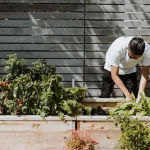
📷 Featured image by Jonas Denil on Unsplash.