On this page
- Essential Medicinal Herbs for Home Gardens
- Planning Your Medicinal Herb Garden Layout
- Soil Preparation and Growing Conditions for Medicinal Herbs
- Propagation and Planting Techniques
- Harvesting at Peak Potency
- Drying and Preservation Methods
- Basic Preparation Techniques for Home Use
- Cost Analysis: Growing vs. Buying Medicinal Herbs
- Seasonal Growing Calendar by USDA Zone
- Frequently Asked Questions
The ancient practice of growing herbs for medicine is experiencing a renaissance in home gardens across America. With rising healthcare costs and increasing interest in natural wellness, many gardeners are discovering that their backyard can become a pharmacy. The challenge lies not just in growing these plants, but in understanding when and how to harvest them for maximum therapeutic benefit, and how to prepare them safely for home use.
Essential Medicinal Herbs for Home Gardens
Starting a medicinal herb garden requires selecting plants that offer genuine therapeutic value while being manageable for novice growers. Echinacea purpurea stands out as both beautiful and beneficial, producing stunning purple coneflowers while its roots and leaves support immune system health. The plant thrives in USDA zones 3-8 and requires minimal care once established.
Calendula officinalis delivers vibrant orange and yellow blooms that contain potent anti-inflammatory compounds. These cheerful annuals grow easily from seed and bloom continuously from spring until hard frost. The petals can be harvested fresh throughout the growing season, creating a steady supply for topical preparations.
For digestive support, chamomile (Matricaria chamomilla) produces delicate, apple-scented flowers that dry beautifully for tea. German chamomile self-seeds readily, often providing volunteers the following year. The tiny white and yellow flowers should be harvested when fully open but before petals begin dropping.
Lavender varieties offer both aromatherapy and medicinal benefits. Lavandula angustifolia performs best in zones 5-9, preferring well-drained soil and full sun. The purple flower spikes contain compounds that promote relaxation and can help with sleep quality when used properly.
Mint species provide digestive support and cooling properties. Peppermint (Mentha × piperita) contains high menthol levels, while spearmint (Mentha spicata) offers a gentler flavor. Both spread aggressively, making container growing advisable unless you want a mint groundcover.
The warming sensation of crushing fresh thyme leaves between your fingers releases essential oils that have been used for respiratory support for centuries. Thymus vulgaris forms low, spreading mats perfect for garden borders and thrives in poor, well-drained soils.

Planning Your Medicinal Herb Garden Layout
Successful medicinal herb cultivation begins with thoughtful garden design that considers each plant’s specific needs and growth habits. Unlike ornamental gardens focused primarily on aesthetics, medicinal herb gardens prioritize accessibility for frequent harvesting and optimal growing conditions for maximum potency.
Create distinct zones based on water and sun requirements. Mediterranean herbs like rosemary, oregano, and sage thrive in full sun with excellent drainage and minimal water once established. Group these together in raised beds or on slopes where water naturally drains away.
Moisture-loving herbs such as parsley, chives, and lemon balm prefer consistent soil moisture and can tolerate partial shade. Position these plants near water sources or in naturally moister areas of your garden. These herbs also benefit from morning sun and afternoon shade in hot climates.
Plan for aggressive spreaders by creating barriers or dedicating separate areas. Mint, lemon balm, and comfrey can quickly overwhelm neighboring plants. Install underground barriers extending 12-18 inches (30-45 cm) deep, or grow these herbs in large containers sunk into garden beds.
Consider harvest accessibility when positioning plants. Place frequently harvested herbs like basil, parsley, and chives near kitchen doors or along main garden paths. Taller plants like echinacea and elderberry work well as background plantings or natural screens.
Incorporate perennial structure plants as garden anchors. Established lavender, rosemary, and sage provide year-round structure while offering multiple harvests annually. These woody perennials also create microclimates that benefit nearby tender annuals.

Companion Planting for Enhanced Benefits
Strategic companion planting can increase both yield and medicinal potency. Basil planted near tomatoes not only repels pests but may enhance the flavor compounds in both plants. The aromatic oils from basil can influence the chemical composition of neighboring plants.
Chamomile serves as an excellent nurse plant, improving soil health and potentially increasing essential oil production in nearby herbs. Plant chamomile between rows of other medicinal herbs or use it as living mulch.
Nasturtiums planted throughout herb gardens attract beneficial insects while their flowers and leaves provide their own medicinal benefits. These colorful annuals also serve as trap crops for aphids and other pests.
Soil Preparation and Growing Conditions for Medicinal Herbs
Medicinal herb potency directly correlates with proper growing conditions, making soil preparation crucial for therapeutic gardens. Most medicinal herbs originated in Mediterranean climates or wild settings with well-drained, moderately fertile soils rather than rich, heavily amended garden beds.
Soil drainage ranks as the top priority for most medicinal herbs. Poor drainage leads to root rot and reduced essential oil production. Test drainage by digging holes 12 inches (30 cm) deep and filling with water. If water remains after 24 hours, improve drainage through raised beds, added sand and compost, or installing drainage tiles.
pH levels between 6.0-7.5 suit most medicinal herbs, though some prefer more alkaline conditions. Lavender and rosemary thrive in slightly alkaline soils (pH 7.0-8.0), while plants in the mint family prefer slightly acidic to neutral conditions (pH 6.0-7.0). Test soil pH using a digital meter or laboratory analysis for accuracy.
The rich, dark earth beneath your fingers after working aged compost into clay soil creates the foundation for healthy medicinal herbs. Organic matter content should reach 15-25% for optimal root development and nutrient availability. Work 2-4 inches (5-10 cm) of well-aged compost into planting areas each spring.

Avoid over-fertilization which can reduce essential oil concentration while promoting excessive leaf growth. Many medicinal herbs produce higher concentrations of active compounds when grown in moderately stressed conditions. A light application of balanced organic fertilizer (5-5-5 NPK) in early spring typically provides sufficient nutrition.
Mulching preserves soil moisture while suppressing weeds that compete for nutrients. Use organic mulches like straw, shredded leaves, or bark chips, maintaining 2-3 inches (5-7.5 cm) depth while keeping mulch away from plant stems to prevent crown rot.
Container Growing Considerations
Container cultivation offers precise control over growing conditions and extends growing seasons in harsh climates. Choose containers at least 12 inches (30 cm) deep for most herbs, with drainage holes every 6 inches (15 cm) across the bottom.
Specialized potting mixes designed for herbs provide optimal drainage and nutrition. Alternatively, create your own mix using equal parts quality potting soil, compost, and perlite or coarse sand. This combination ensures proper drainage while maintaining adequate moisture retention.
Container herbs require more frequent watering but allow for easy protection during extreme weather. Move containers to protected locations during severe storms or unexpectedly late frosts that could damage tender growth.
Propagation and Planting Techniques
Understanding propagation methods for medicinal herbs ensures a continuous supply of fresh plants while reducing costs compared to purchasing established specimens. Different herbs respond better to specific propagation techniques, and timing plays a crucial role in success rates.
Seed starting works well for annual herbs like basil, chamomile, and calendula. Start seeds indoors 6-8 weeks before the last expected frost date. Use sterile seed-starting mix and maintain soil temperatures between 65-75°F (18-24°C) for optimal germination. The satisfying moment when tiny green seedlings first emerge from dark soil after 5-14 days of patient daily misting signals successful propagation.

Direct seeding suits herbs with taproot systems that dislike transplanting. Dill, coriander, and borage establish better when sown directly in garden beds after soil temperatures reach 50°F (10°C). Sow seeds 2-3 times deeper than their diameter and maintain consistent soil moisture until germination.
Stem cutting propagation produces identical plants from parent specimens, ensuring consistent chemical profiles. Take 4-6 inch (10-15 cm) cuttings from healthy, non-flowering stems in early morning when plant moisture levels peak. Remove lower leaves and place cuttings in sterile rooting medium or water until roots develop.
The woody stems of established lavender plants yield excellent cutting material in late summer. Hardwood cuttings taken from current year’s growth root slowly but produce robust plants. Dip cutting ends in rooting hormone and plant in sand-peat mixture, maintaining consistent moisture without overwatering.
Division works effectively for perennial herbs that form clumps or spreading root systems. Divide established clumps of chives, oregano, or lemon balm in early spring before new growth begins. Dig entire clumps and separate into sections containing both roots and shoots.
Transplanting and Establishment
Hardening off indoor-started seedlings prevents transplant shock that can reduce plant vigor and medicinal potency. Begin the process 7-10 days before transplanting by placing seedlings outdoors in partial shade for 2-3 hours daily, gradually increasing exposure time and sun intensity.
Transplant timing coincides with local frost dates and soil temperature. Cool-season herbs like parsley and chives can be transplanted 2-4 weeks before the last frost, while warm-season basil and oregano require soil temperatures consistently above 60°F (15°C).
Spacing affects plant development and harvest yields significantly. Provide adequate space for air circulation while maximizing production per square foot. Most herb seedlings need 12-18 inches (30-45 cm) between plants, though specific requirements vary by species and intended harvest method.

Harvesting at Peak Potency
Timing harvests correctly determines the concentration of active compounds in medicinal herbs, making this knowledge essential for therapeutic effectiveness. Plant chemistry fluctuates throughout the day and growing season, with optimal harvest windows varying significantly between species.
Morning harvest after dew evaporates but before afternoon heat typically captures peak essential oil levels. The crisp snap of basil stems in cool morning air, when plants are fully hydrated but essential oils haven’t volatilized in heat, produces the most potent harvests. Plan harvesting between 9-11 AM on clear, dry days.
Flowering stage affects leaf quality in most culinary and medicinal herbs. Harvest leafy herbs like basil, oregano, and mint before flower buds form for maximum leaf tenderness and oil concentration. Once flowering begins, energy redirects to reproduction, often reducing leaf quality and flavor intensity.
Root harvests require specific timing for maximum medicinal value. Dig echinacea and burdock roots in fall after plants have stored energy for winter, or in very early spring before new growth begins. Three to four-year-old roots typically contain the highest concentration of active compounds.
The papery rustle of calendula petals between your fingers on a warm afternoon indicates perfect harvest timing – flowers should be fully open but not beginning to fade. Harvest flowers throughout the growing season by cutting stems just above a leaf node to encourage continued blooming.
Weather conditions preceding harvest significantly impact plant chemistry. Avoid harvesting immediately after rain when plant moisture dilutes essential oils. Similarly, avoid extremely hot, dry periods when plants may be stressed and oil production reduced.

Harvesting Techniques by Plant Part
Leaf harvesting methods influence plant productivity and regrowth potential. Use sharp, clean scissors or pruning shears to make clean cuts that heal quickly. Cut stems just above a leaf node or branch junction to encourage bushy growth and additional harvests.
Flower collection requires gentle handling to preserve delicate petals and prevent bruising that reduces quality. Harvest chamomile flowers by pinching stems between flowering head and first leaves, or use small scissors for precision cutting.
Seed harvesting demands patience and timing precision. Allow seed heads like coriander and fennel to mature fully on plants until they turn brown and rattle when shaken. Cut entire seed heads and hang in paper bags to catch seeds as they fall.
Drying and Preservation Methods
Proper preservation techniques maintain medicinal potency while extending storage life, transforming fresh garden harvests into year-round therapeutic supplies. The method chosen depends on plant parts being preserved, intended uses, and available equipment.
Air drying remains the most accessible preservation method for most home gardeners. Bundle stems in small groups using rubber bands that contract as stems shrink during drying. The gentle rustle of lavender bundles hanging in a warm, dry room after two weeks creates the perfect ambiance while indicating successful preservation.
Optimal drying conditions include temperatures between 95-115°F (35-46°C) with good air circulation and low humidity. Avoid direct sunlight that can degrade essential oils and fade colors. Attics, spare rooms, or well-ventilated sheds often provide ideal conditions.
Screen drying works excellently for individual leaves and flower petals that don’t bundle well. Construct simple screens using window screening stretched over wooden frames. Spread plant material in single layers, turning occasionally for even drying.
Dehydrator drying offers precise temperature control and consistent results. Set temperatures between 95-105°F (35-40°C) for herbs to preserve maximum essential oil content. Higher temperatures speed drying but reduce therapeutic value significantly.

Freeze drying preserves the most nutrients and color but requires specialized equipment. This method works particularly well for herbs intended for medicinal teas where appearance and maximum potency matter most.
Storage Solutions
Airtight containers protect dried herbs from moisture, light, and air exposure that degrade active compounds. Glass jars with tight-fitting lids work excellently, as do vacuum-sealed bags for bulk storage. Avoid plastic containers that may absorb essential oils.
Label storage containers with herb name, harvest date, and growing location. This information proves valuable for tracking quality and potency over time. Well-stored dried herbs maintain therapeutic value for 1-2 years when properly preserved.
Storage environment affects longevity significantly. Keep containers in cool, dark locations away from heat sources and direct light. Basement storage areas or pantries often provide ideal conditions for long-term herb storage.
Basic Preparation Techniques for Home Use
Understanding fundamental preparation methods transforms garden herbs into usable therapeutic forms while ensuring safety and effectiveness. These time-tested techniques require minimal equipment but demand attention to proper ratios and steeping times.
Herbal tea preparation represents the simplest and safest method for most beginners. Use 1 tablespoon (15 ml) fresh herbs or 1 teaspoon (5 ml) dried herbs per cup of water. Pour just-boiled water over herbs and steep covered for 5-15 minutes depending on desired strength and plant material used.
Cold infusions work better for mucilaginous herbs like marshmallow root that become slimy in hot water. Place herbs in cold water and allow steeping for 6-12 hours, straining before use. This method preserves heat-sensitive compounds that hot water might destroy.
Simple herbal oils capture fat-soluble compounds for topical applications. Fill clean glass jars with fresh herbs and cover completely with carrier oils like olive or sweet almond oil. Allow infusing in warm locations for 2-6 weeks, straining through fine mesh before storage.

The intoxicating aroma of calendula petals slowly releasing their golden essence into warm olive oil over several weeks in a sunny window creates one of the most rewarding preparation experiences. Solar infusion methods use gentle heat from sunlight to extract herbal properties without overheating that destroys beneficial compounds.
Herbal vinegars preserve and extract different compounds than water or oil-based preparations. Use apple cider vinegar with 5% acidity and follow a 1:5 ratio of fresh herbs to vinegar. Steep for 2-4 weeks in dark locations, shaking occasionally.
Safety Considerations
Accurate plant identification remains crucial for safe herbal preparation. When in doubt, consult multiple reliable sources or seek expert verification before using any plant medicinally. Misidentification can have serious consequences.
Start with small quantities when trying new herbs to test for individual sensitivities or adverse reactions. Even generally safe herbs can cause reactions in sensitive individuals or interact with medications.
Pregnancy and nursing considerations require extra caution with herbal preparations. Many herbs considered safe for general use should be avoided during pregnancy or while breastfeeding. Consult healthcare providers before use.
Quality control measures ensure consistent results and safety. Keep detailed records of preparation methods, ratios, and steeping times. This information helps replicate successful preparations and avoid ineffective or potentially harmful variations.
Cost Analysis: Growing vs. Buying Medicinal Herbs
Home cultivation of medicinal herbs offers significant financial advantages over purchasing commercial products, with initial investment costs typically recovered within the first growing season through reduced herbal product purchases.
Initial Setup Costs
Budget approach ($75-150) covers seeds, basic containers, and minimal soil amendments for a small medicinal herb garden. This investment typically includes seed packets ($2-5 each), basic potting containers ($15-25), organic potting soil ($20-30), and simple hand tools ($15-25).

Mid-range investment ($200-400) expands options with raised bed construction, irrigation supplies, and wider plant variety. Costs include cedar raised bed kit ($100-150), drip irrigation system ($50-75), premium soil amendments ($50-75), and broader seed/plant selection ($75-100).
Premium setup ($500-800) incorporates specialized equipment like cold frames, seed starting equipment, and permanent infrastructure. This level includes heated propagation mats ($50-75), grow lights ($100-150), cold frame construction ($150-200), and professional-grade tools ($100-150).
Annual Operating Costs
Ongoing expenses remain minimal after initial setup, typically ranging from $25-75 annually for replacement seeds, soil amendments, and occasional plant purchases. Well-established perennial herbs like lavender and rosemary provide years of harvests with minimal additional investment.
Water costs vary significantly by region and irrigation method but typically add $10-30 annually for average-sized herb gardens. Drought-tolerant Mediterranean herbs reduce water requirements substantially once established.
Savings Comparison
Fresh herb prices at grocery stores range from $2-4 per small package, while dried medicinal herbs cost $8-15 per ounce through health food stores. A single basil plant producing 2-3 pounds of leaves annually saves $50-75 compared to purchasing equivalent fresh herbs.
Specialized medicinal herbs show even greater savings potential. Echinacea root sells for $12-20 per ounce dried, while a mature plant can provide 2-4 ounces of root annually after establishment.
Prepared herbal products command premium prices, with simple herbal teas costing $8-15 per box containing 16 tea bags. Home-grown herbs can produce equivalent quantities for under $2 in materials and labor.
Seasonal Growing Calendar by USDA Zone
Successful medicinal herb cultivation requires timing planting, harvesting, and preservation activities according to local climate patterns and seasonal plant growth cycles. This seasonal approach maximizes both yield and potency while ensuring optimal plant health.

Spring Activities (March-May)
Zone 3-5 gardeners begin indoor seed starting in March for warm-season herbs while direct seeding cold-hardy varieties like calendula and chamomile in late April. Soil preparation and raised bed construction occur during frost-free periods in May.
Zone 6-7 regions can direct seed most herbs by mid-April, with transplanting of indoor-started seedlings beginning in late April. This represents optimal timing for establishing perennial herbs like lavender and rosemary before summer heat.
Zone 8-10 areas enjoy extended planting seasons beginning in March for most species. Cool-season herbs should be established early before intense summer heat, while warm-season varieties can be planted throughout spring.
Division and transplanting of established perennial herbs works best in spring across all zones when plants enter active growth phases. Early spring division allows full season establishment before winter dormancy.
Summer Management (June-August)
Peak harvesting season occurs during summer months when most herbs reach maximum essential oil production. Establish regular harvesting schedules to maintain plant productivity and prevent flowering in leafy herbs.
Water management becomes critical during summer heat, particularly for newly established plants and container gardens. Deep, infrequent watering encourages drought tolerance in Mediterranean herbs while ensuring adequate moisture for tender varieties.
Succession planting of annual herbs like basil and cilantro ensures continuous harvests throughout summer. Plant new seeds every 2-3 weeks for steady supplies of fresh leaves.
Pest monitoring intensifies during warm summer months when insect activity peaks. Regular inspection and early intervention prevent minor problems from becoming major infestations that reduce plant vigor and medicinal quality.
Fall Preparation (September-November)
Root harvesting season begins in fall when perennial herbs store maximum energy reserves for winter survival. Dig echinacea, burdock, and other medicinal roots during late September through November depending on zone.
Seed collection from annual herbs occurs as seed heads mature and dry naturally on plants. Timing varies by species but generally occurs 4-6 weeks after flowering begins.
Garden cleanup and mulching protects perennial herbs through winter while preventing pest and disease overwintering sites. Apply 3-4 inches (7.5-10 cm) of organic mulch around plant bases after soil begins cooling.
Zone-specific winter preparation includes moving tender plants indoors in northern climates or providing frost protection for marginally hardy species. Rosemary and other Mediterranean herbs may need protection in zones 6-7.
Winter Planning (December-February)
Indoor growing maintains fresh herb supplies during winter months through container cultivation or hydroponic systems. Sunny south-facing windows or grow lights provide necessary illumination for continued production.
Seed ordering and garden planning occupy winter months when catalogs arrive and next season’s garden takes shape on paper. Research new varieties and plan crop rotations for optimal soil health.
Equipment maintenance and infrastructure improvements occur during dormant seasons when garden demands decrease. Clean and sharpen tools, repair irrigation systems, and construct new raised beds or storage facilities.
Frequently Asked Questions
Can I grow medicinal herbs indoors year-round?
Yes, many medicinal herbs adapt well to indoor cultivation with adequate light, proper drainage, and good air circulation. Compact varieties like oregano, thyme, and chamomile perform especially well in containers on sunny windowsills or under grow lights during winter months.
How do I know if my home-grown herbs are potent enough for medicinal use?
Proper growing conditions, optimal harvest timing, and correct preservation methods ensure maximum potency. Look for strong aromatic qualities, vibrant colors, and robust plant growth. Starting with established medicinal varieties rather than culinary strains also increases therapeutic potential.
Which medicinal herbs are safest for beginners to grow and use?
Chamomile, calendula, lavender, and lemon balm offer excellent safety profiles for beginners while providing genuine therapeutic benefits. These herbs have long histories of traditional use and extensive safety research, making them ideal starting points for medicinal herb gardening.
How much space do I need for a medicinal herb garden?
A productive medicinal herb garden can fit in spaces as small as 4×4 feet (1.2×1.2 meters) or even container gardens on balconies. Raised beds measuring 4×8 feet (1.2×2.4 meters) provide sufficient space for 8-12 different herb varieties with room for succession plantings.
When should I harvest herbs for the highest medicinal value?
Harvest timing varies by plant part and species, but generally morning hours after dew evaporates provide optimal essential oil content. Leafy herbs should be harvested before flowering, roots in fall or early spring, and flowers when fully open but before fading begins.
Explore more
How to Choose the Right Plants for Your Garden’s Light Conditions: A Beginner’s Guide
Color Theory in Garden Design: Choosing Plants That Create Visual Harmony Throughout the Seasons
Common Garden Design Mistakes That Make Your Outdoor Space Feel Cramped and Cluttered
Growing and Harvesting Echinacea: From Seed to Natural Immune Support
Essential Medicinal Herbs Every Beginner Should Start With: A Quick Reference Guide
How to Prevent and Fix Overwatering in Container Herb Gardens
How to Harvest and Preserve Fresh Herbs from Your Container Garden
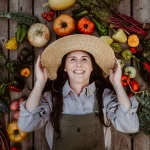
📷 Featured image by Robert Katzki on Unsplash.